Profile
Leicestershire Police have seized 150 cannabis plants from a residential property in Leicester after officers forced entry to a house on Dumbleton Avenue, near Narborough Road, on the afternoon of Sunday 5 April 2026. No arrests have been made and enquiries are ongoing, the force confirmed — but the scale of what was found inside a family street has raised serious questions about how many more similar operations are quietly running behind closed doors across west Leicester.
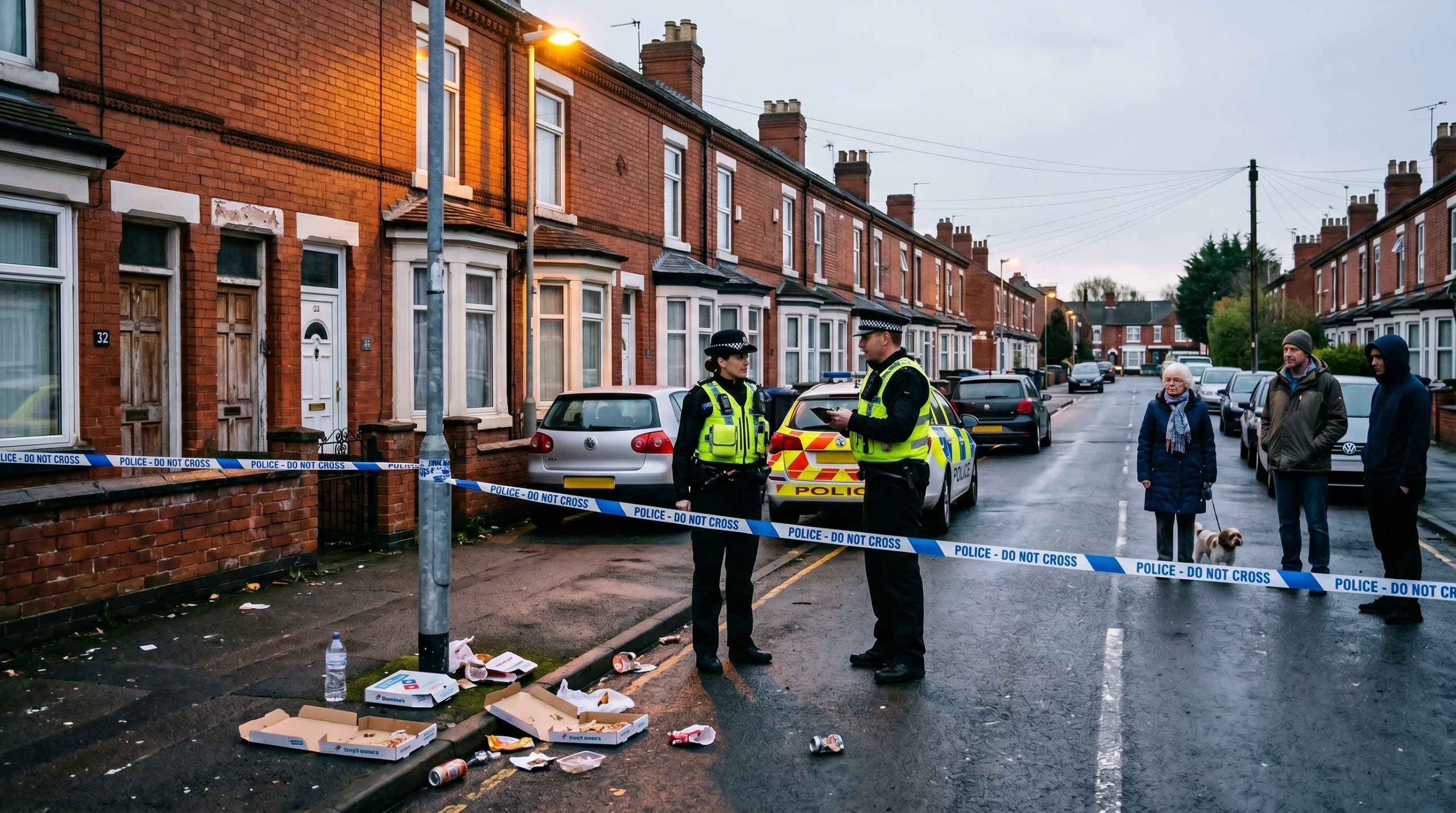
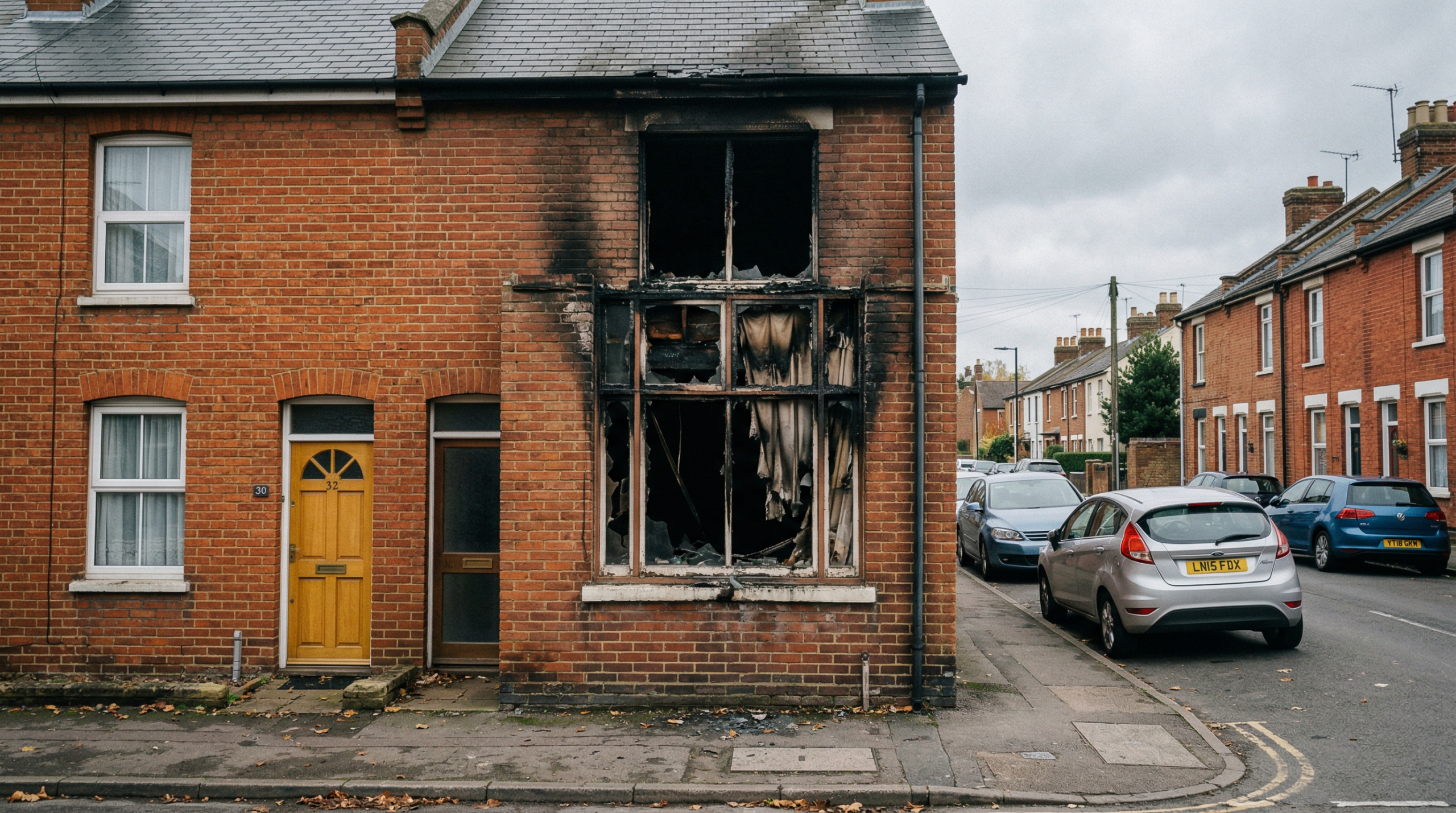
Officers arrived at around 2pm following a call to the address. A police van and car were pictured on the residential street as officers worked inside the property, whose front door had been broken through. The operation was confirmed by a Leicestershire Police spokesperson, who said the property has since been secured. For residents in the Braunstone and Rowley Fields area watching this unfold on a Sunday afternoon, it will have come as no great surprise — this is not the first time a cannabis cultivation operation has been uncovered on or near Dumbleton Avenue.
This Is Not the First Time on Dumbleton Avenue
A Neighbourhood Alert message previously issued by the Braunstone and Rowley Fields policing team confirms that another cannabis grow was discovered on Dumbleton Road in the same area on a prior occasion. That alert warned residents directly: “Illegal cannabis cultivation brings serious risks to our community, including fire hazards, antisocial behaviour, and links to wider criminal activity.”
The pattern extends across the wider west Leicester beat. Leicestershire Police’s own West Leicester Facebook page records a 111-plant seizure on Overpark Avenue in May 2025, and a 279-plant operation dismantled in July 2025 — three males were arrested in that case, with the cannabis estimated at a street value of £195,000. In October 2025, officers uncovered a 1,600-plant factory in an industrial unit in Lutterworth, worth over £1 million. Cannabis production on this scale is not a series of isolated incidents. It is an organised industry operating in plain sight of residential communities.
At the standard street valuation used by police forces — approximately £1,000 per mature plant — the 150 plants seized on Dumbleton Avenue represent a potential crop worth around £150,000. That figure assumes a single harvest; professional grow operations typically produce multiple cycles per year from the same premises.
The Hidden Danger Next Door: Fire, Electricity Theft, and Violence
The risk that cannabis farms pose to neighbouring residents goes far beyond the criminality of the drug itself. Every well-documented raid on a residential grow operation reveals the same pattern of hazards.
The farms require enormous amounts of electricity to power the growing lights, ventilation fans, and heating systems that keep the plants alive indoors. To avoid detection via abnormally high electricity bills, operators routinely bypass the meter — a criminal offence in its own right, but one that carries consequences far beyond a court summons. Crude bypasses on live electrical circuits, carrying far higher loads than the wiring was designed for, are the leading cause of fires in cannabis farm properties. Those fires spread. Terraced houses share walls. Seven-year-old Archie York died in 2024 when chemicals at a cannabis factory caused an explosion in his family’s block of flats.
The violence risk is also real and rarely discussed in policing press releases. Rival organised crime groups — the same groups that set up the farms — will carry out raids on competitors’ operations to steal the crop, a practice known as “taxing”. Anyone in or near the property when a taxing raid occurs, including gardeners employed to tend the plants and neighbours who happen to be at home, can be caught in the crossfire. Sky News reported in June 2025 that Greater Manchester Police had detected 402 cannabis farms in a single year, with officers warning of “significant violence against anybody who gets in the way.”
Inspector Bree Lanyon of Greater Manchester Police put it plainly: “The electricity gets bypassed in order to avoid big electric bills. Because a substantial amount of electric is required to run the lights, the ventilation, the heat, everything else required in the cannabis farm, the bypass is done in a haphazard way and it can cause fires within the properties. We’ve seen a lot of fires recently in premises that have been set up as cannabis farms because of the way the electricity is set up. It’s not safe and the neighbouring residence could be at risk if that property is burning down.”
Our Take: The Gardeners Get Caught — The Bosses Don’t
Let’s be honest about what the Dumbleton Avenue seizure is and what it isn’t.
It is a good result for the officers involved — 150 plants off the street, a property secured, a grow operation dismantled. It is not, in all probability, a significant blow to the organised crime network responsible for it. No arrests were made. The people who own this operation — who sourced the equipment, recruited the labour, arranged the tenancy or the break-in, and who were expecting to collect the harvest — are almost certainly not among those currently being sought.
This is the structural problem with cannabis farm enforcement in England, and the police know it. The most junior members of the operation, the so-called gardeners who are left in or near the property to tend the plants, will often plead guilty at the earliest opportunity when caught. They accept short sentences and community orders while the organisers at the top of the chain are never identified. As one senior officer told Sky News: “What’s required is to go beyond that and start to look at who’s controlling this. It’s exceptionally difficult — the gardeners plead guilty at the earliest opportunity. It’s a quick win for policing, but it doesn’t touch the organised crime group.”
For Dumbleton Avenue residents, none of that analysis is much comfort. They live on a street where a house has just been found full of cannabis plants, where someone thought it acceptable to turn a family home into a commercial growing facility, and where — based on the history of this very road — it may not be the last time. They deserve to know what Leicestershire Police and the local Braunstone and Rowley Fields team are doing not just to raid individual properties when a tip-off comes in, but to systematically identify and dismantle the networks placing their street at risk.
If you know something about cannabis cultivation in your area, Leicestershire Police ask you to contact them on 101 or report anonymously via Crimestoppers on 0800 555 111. We’ll be following developments on this case as they emerge.
Have Your Say
Are you a resident of Dumbleton Avenue or the surrounding Narborough Road area? Do you think enough is being done to tackle organised cannabis cultivation across west Leicester — or does the pattern of repeat discoveries in the same streets suggest the response isn’t working? Leave a comment below. Sign up for our free updates to follow this story and all local crime and community news from across Leicestershire.